School safety efforts often prioritize physical security and crisis response, yet these measures rarely address the root causes of safety concerns. A growing body of evidence points to a different path: preventing harm by strengthening connection, support, and belonging so that students feel both seen and supported and that they are part of their school community.
Safety and Wellness
Promoting Attendance and Reducing Chronic Absenteeism | Renewed Focus on School Connectedness and Student Engagement
Watch the webinar recording here:
Transcripts can be found here.
The Padlet can be found here.
Description:
This session will explore the connection between students’ connectedness and engagement at school and their attendance. The session will begin with an overview of research that emphasized a need for strong school connections, especially for students who struggle with attendance. Hawthorne School District will discuss its renewed focus on strong connections to reduce chronic absenteeism.
Presenters:

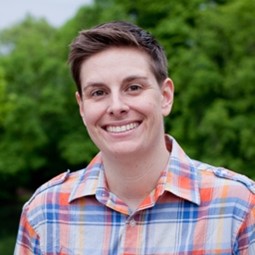
Jenny Betz (she/they) is a Senior Program Associate with WestEd’s Resilient and Healthy Schools and Communities team, providing professional development, coaching, and technical assistance to support inclusive, equitable, and student-centered learning environments. With more than 20 years of experience in the nonprofit and education fields, Betz has supported hundreds of state, regional, and local education agencies in advancing school climate, social-emotional learning (SEL), equity, and educator wellness through strategies including culturally responsive practices, trauma-informed approaches, student leadership, community engagement, LGBTQ+ inclusion, bias-based bullying prevention, and effective data use. Betz also brings experience supporting district and school teams with strategic planning, implementation design, and improvement strategies that promote sustainability and alignment with local goals. Their work is grounded in collaboration, reflection, and a commitment to equity and continuous learning.

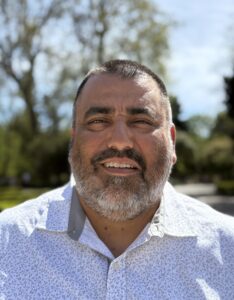
Rudy Salas is the Director of Pupil Personnel Services for the Hawthorne School District. With 26 years in education, he has served as a classroom teacher, English learner specialist, assistant principal, principal, and coordinator of curriculum and instruction. He is committed to strengthening student connectedness and improving attendance outcomes.
Stronger Connections | Our Stories of Strength: Using Photovoice to Explore Youth Psychological Strengths and Improve School Climate
Watch the webinar recording here:
Transcripts can be found here.
View the webinar Padlet here.
Description:
Our Stories of Strength is a school-based program that is co-designed with youth to improve psychological well-being by integrating youth voice strategies with concepts and tools derived from positive psychology and narrative therapy. The program aims to illuminate and refine youths’ personal narratives of resilience and empowerment and to improve perceptions of school climate by building narratives around collective support and alliance. Using photovoice strategies, participants identify sources of personal competence, interpersonal support, and institutional support.
In this webinar, Our Stories of Strength adult researchers, educators, and youth collaborator-participants will describe key program activities and program benefits.
Presenters:

Dr. Meagan O’Malley is a Professor of School Psychology at California State University, Sacramento (CSUS), where she prepares graduate students to apply evidence-based methods in psychoeducational assessment as well as academic and mental health interventions. Dr. O’Malley leads an active research program focused on school climate, school mental health, and psychoeducational assessment practices. A central aim of her work is to support educators and families in empowering youth from historically underrepresented groups, including students with disabilities.

Dr. Sruthi Swami is an Assistant Professor in the School Psychology M.A./Ed.S. program at Sacramento State University and a Nationally Certified School Psychologist. Her work focuses on the impact of racism and discrimination on the mental health and identity development of racially and ethnically minoritized youths and adolescents. Dr. Swami engages in applied research with local high school students on building resilience in the face of trauma.

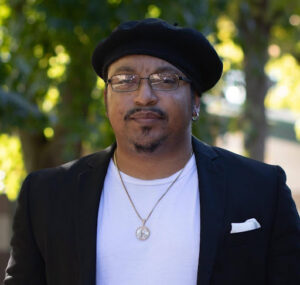
Dr. Jeremy DeWayne Greene is a nationally certified school psychologist, professor of school psychology, and poet/hip-hop artist. Although residing within the Sacramento region, his familial roots remain firmly planted in Baton Rouge, Louisiana. Utilizing a narrative approach, Dr. Greene has a passion for advocacy via the promotion and strengthening of voices often minimized by society at large. Thus, in his free time, Dr. Greene enjoys gathering and sharing the stories that he has heard along those winding roads…stories that also include his time living and working as a school psychologist in Shanghai, China (from 2017 to 2019).

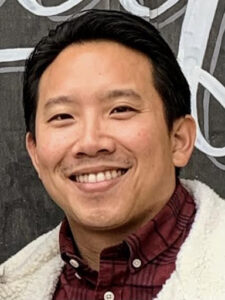
David Wong is an educator with over 25 years of experience in English Language Arts instruction and a longstanding commitment to equity and access for historically underserved student populations. He has taught across California and Texas, bringing a statewide and cross-regional perspective to instructional leadership, program implementation, and student advocacy.
Grounded in a student-centered teaching philosophy that emphasizes voice, agency, and academic identity, David is dedicated to advancing equitable, engaging learning environments that promote academic confidence, college and career readiness, and long-term student success.

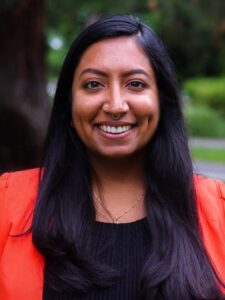
Hadia Ahmad is a second-year undergraduate student at the University of California, Santa Cruz, where she is pursuing a triple major in Legal Studies, Psychology, and Sociology. She was born and raised in Sacramento, California, and is a first-generation Pakistani American student. Her academic interests center on the intersections of law, mental health, and social inequality, with a focus on understanding how systemic factors impact diverse communities. When in high school, Hadia was a participant-researcher in the development of Our Stories of Strength, and is credited as an author on a study recently published in the Journal of Prevention and Intervention in the Community.

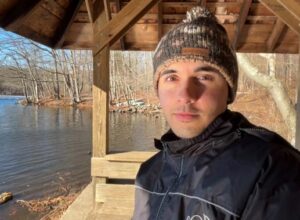
Tristan Puelicher is an Irish Indo-Fijian student in his senior year at California State University, Northridge. Pursuing a degree in Psychology, his studies and interests are centered on social change, political advocacy, and psychiatric healing from a psychological perspective. He began his involvement in the development of Our Stories of Strength as a participant-researcher in the tenth grade. In addition, he is credited as an author on a study recently published in the Journal of Prevention and Intervention in the Community. Post-university, Tristan intends to pursue a career rooted in community service, systemic change, and mental healing.
Building Stronger Connections: Opioid Misuse Prevention in California Schools
This webinar focuses on fostering stronger connections between educators, students, and communities to enhance opioid misuse prevention efforts in California schools. By building a network of support and collaboration, we aim to create a holistic approach to preventing opioid misuse among adolescents. Participants will glean an understanding of the historical context of the opioid overdose epidemic, current trends in misuse and mortality, and explore strategies for strengthening relationships within the school environment and with external community resources. Topics will include prevention, leveraging partnerships, and community resources. Attendees will gain valuable insights and tools to build a connected and resilient community dedicated to the well-being of every student.
Watch the session recording:
View the recording transcript
Presenters:
Jennifer Loeffler-Cobia, M.S. is the Justice and Public Health Policy and Practice Director at the WestEd Justice and Prevention Research Center. She has over 20 years of experience in substance misuse prevention and intervention, public health and prevention, violence prevention, and juvenile and adult criminal justice evidence-based practices. She is an experienced technical assistance provider who has directed centers such as the National Reentry Resource Center and Children Exposed to Violence TTA Center, both funded by the U.S. Department of Justice.
Derek Lowry is a Senior Justice Technical Assistance Specialist with a diverse background as a technical assistance consultant, project manager, and policy analyst. He has been a project manager and implementation specialist on notable reentry-focused and public safety projects. Lowry also previously served as the co-director of a direct-service reentry nonprofit organization.
Stephan Lambert is the Prevention Coordinator at the Orange County Department of Education. He has seventeen years of experience in substance use prevention, positive youth development, and family and community engagement.
Introducing and Operationalizing Culturally Responsive and Sustaining Education
Culturally responsive practices centers unique student experiences, supporting educators to build learning partnerships that result in increased student engagement and ownership of learning. During this session, participants will be introduced to foundational concepts related to educational equity and culturally responsive and sustaining education. Participants will consider different components of educational systems (e.g., environments, curriculum, instruction, relationships), explore what culturally responsive practices might look like in each.
Watch the session recording:
View the recording transcript.
Presenters:
David Lopez is the Director of Equitable Systems with WestEd’s Culturally Responsive and Equitable Systems team. In this role, Lopez delivers technical assistance (TA) and expert consultation, develops research-and evidence-based tools and resources, and provides research and policy support to state education agencies, district leaders, and school-based educators focused on creating culturally responsive and equitable systems through comprehensive equity audits.
John Jacobs is a Senior Technical Assistance Specialist at WestEd. Jacobs is a skilled facilitator in the areas related to culture and identity (e.g., race, ability, gender, social class) and an experienced collaborator who has worked to embed equity and cultural responsiveness throughout district and state level policies and programs (e.g., Coaching, MTSS, PBIS, SEL) as remedies to systemic inequities
Comprehensive School Safety Planning: Legislative Updates and Best Practices for School-Based Behavioral Threat Assessment
California recently revised state legislation regarding comprehensive school safety plans, some of which pertains to schools’ responses to threats. As leaders consider how to meet the required mandates for school safety planning, evidence-based best practices on behavioral threat assessment can provide insights into how schools can protect students and school personnel while also supporting mental health and well-being.
Join experts from the California Department of Education and WestEd’s Justice and Prevention Research Center to learn about the recent changes to state legislation, as well as practical, evidence-based components of behavioral threat assessment.
Watch the session recording:
View the recording transcript.
View the session resources:
Presenters:

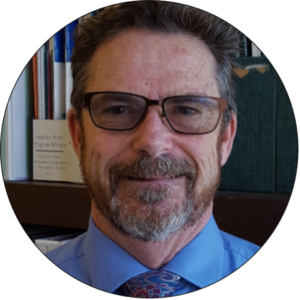
Tom Herman is an Education Administrator with the School Health and Safety Office in the Whole Child Division at the California Department of Education. He oversees state and federal programs related to health and safety, crisis response, school climate, restorative practices, harassment and bullying, and alcohol and other drugs (ATOD) prevention. Dr. Herman also oversees areas of comprehensive sexual health and reproduction, the Youth Risk Behavior Survey (YRBS), and the California Healthy Kids Survey. Also, the LGBTQ+ State-Wide Advisory Task Force is in the School Health and Safety Office. A former Principal and Vice Principal, Dr. Herman is committed to student academic success and the physical and emotional wellbeing of all students.

Curtis Herring is a School Safety Technical Assistance Specialist with the WestEd Justice and Prevention Research Center. He supports local, regional, and state education agencies in their implementation of evidence-based violence prevention strategies. His work has included several notable projects, such as the development of a campus mindfulness room, the introduction of processes and procedures related to Behavioral Threat Assessment, the development of a campus-based mentorship program, and the institution of school counseling data collection and analysis methods.